Zara Frank · 15 September 2026
Rocky Mountain Surveys Identify Novel Alkaloid Profiles in Wild Delphinium Varieties
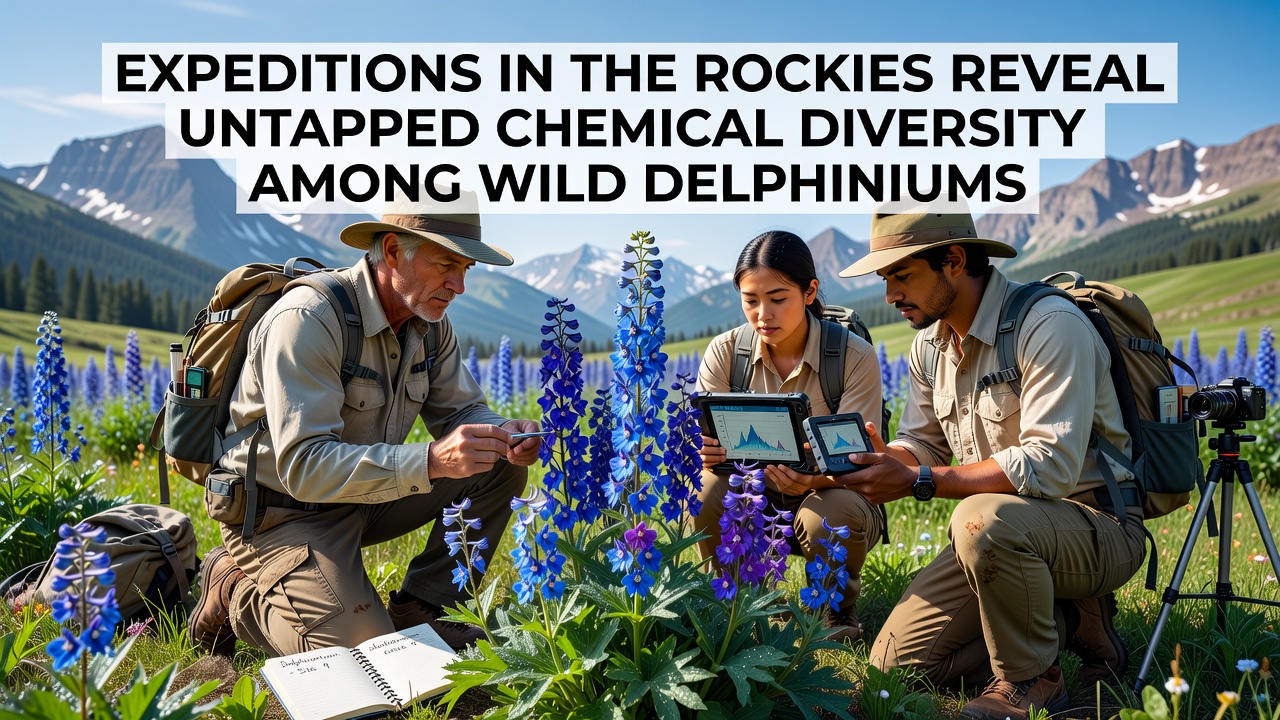
Researchers from multiple institutions have conducted systematic surveys across the Rocky Mountains since early 2025, and these efforts have documented previously uncharacterized chemical compounds in native Delphinium populations, according to field reports compiled through the summer of that year. The plants, which grow in varied elevations from subalpine meadows to lower foothill slopes, produce a range of alkaloids that differ in concentration and structure depending on soil composition, elevation, and seasonal precipitation patterns. Data collected during these expeditions show that certain populations contain unique norditerpenoid alkaloids not previously catalogued in herbarium samples from the same regions.
Expedition Routes and Sampling Methods
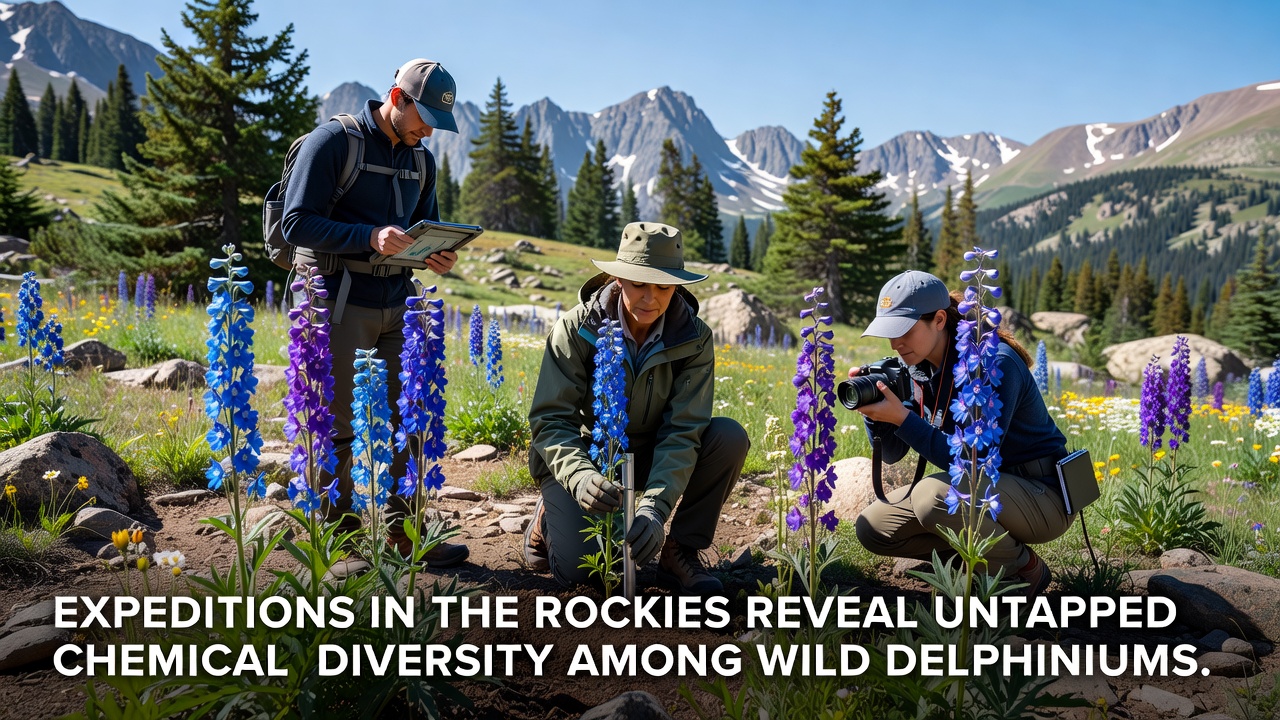
Teams followed established trails in Colorado, Wyoming, and Montana while establishing new transects in remote drainages, and they collected leaf, stem, and flower tissues from over 300 individual plants across 12 distinct sites. Each sample underwent immediate preservation in liquid nitrogen before transport to laboratories equipped for high-performance liquid chromatography adn mass spectrometry analysis. Observers note that the September 2026 phase of the project will focus on re-sampling selected high-diversity locations to track year-to-year variation in alkaloid expression under changing climate conditions.
Geographic information systems mapped the precise coordinates of each collection point, and these maps have allowed comparison with historical records dating back to the 1970s. Soil samples taken alongside the plant material revealed correlations between pH levels, mineral content, and the presence of specific methylated alkaloids. One expedition team working near the Wind River Range documented a variant containing elevated levels of a compound structurally related to known delphinine derivatives yet differing in side-chain configuration.
Chemical Diversity Patterns
Laboratory results indicate that northern populations tend to produce higher overall alkaloid loads, while southern sites show greater structural variety among individual compounds. Researchers have identified at least seven novel structures through nuclear magnetic resonance spectroscopy, and these findings expand the known chemical space within the genus. Evidence from comparative studies suggests that hybridization events between Delphinium species contribute to this variation, because intermediate chemical profiles appear in zones where ranges overlap.
Further analysis at the University of Alberta has confirmed that several of these compounds exhibit distinct fragmentation patterns under tandem mass spectrometry, and this information supports the creation of updated spectral libraries for future field identification. Canadian researchers working in parallel transects along the eastern slopes of the Rockies have reported similar patterns, reinforcing the observation that microhabitat differences drive chemical differentiation.
Broader Research Context
According to records maintained by the US Forest Service Research and Development program, Delphinium species play documented roles in rangeland ecosystems, yet their secondary metabolites remain incompletely mapped. The current expeditions build on earlier inventories by integrating genomic sequencing with metabolomic profiling, and this combined approach has allowed identification of gene clusters potentially responsible for the observed chemical diversity. A separate collaboration with Australian plant chemists has provided reference spectra from related Ranunculaceae species, aiding structural elucidation of the novel alkaloids.
Those conducting the work have deposited voucher specimens in multiple herbaria, including the Rocky Mountain Herbarium and the University of British Columbia, ensuring that future investigators can access both physical material and associated chemical data. Preliminary screening indicates that some of the newly characterized compounds show activity in bioassays against certain insect models, though extensive testing remains ahead.
Conclusion
The accumulated data from these Rocky Mountain expeditions demonstrate that wild Delphinium populations harbor substantial untapped chemical diversity, and ongoing work through 2026 will continue to refine understanding of the factors shaping that diversity. Expanded sampling combined with advanced analytical techniques has already yielded new structural information, and shared databases now contain the first comprehensive profiles linking geography, genetics, and chemistry within these species. Continued coordination among institutions across North America supports the sustained documentation of these plant resources.